
Summer Language Learning: Maintaining Progress During Vacation
 Posted by
 Filed under Learning Resources
Summer can be a wonderful time to learn a language, but it can also be the season when good habits quietly disappear. Your schedule changes, travel plans get in the way, children are out of school, work may slow down or become irregular, and the routine that helped you study during the year suddenly feels harder to maintain.
The good news is that summer language learning does not need to be intense. You do not have to finish a textbook, master a new grammar tense, or memorize hundreds of words before September. In fact, trying to study too much during a holiday period often leads to frustration. A better goal is to keep the language alive through small, enjoyable, regular contact.
That might mean listening to a short podcast while walking, watching a scene from a TV show in your target language, writing three sentences in a mini diary, or practising one useful conversation before a trip. These little habits may not feel dramatic, but they help protect your progress. They keep your ear tuned, your vocabulary familiar, and your confidence from going cold.
This guide will show you how to maintain your language skills during vacation without turning summer into another school term.
→Sign Up Now: Free Trial Language Lesson With a Native Teacher!←
Why Language Skills Can Slip During Summer Break
Language skills can slip during summer because language depends on contact. When you stop hearing, reading, speaking, or writing the language for several weeks, the knowledge does not disappear completely, but it can become slower to access.
You may still “know” a word, but need longer to remember it. You may understand a grammar point when you see it in a book, but hesitate when trying to use it in conversation. You may recognize familiar phrases in a lesson, but struggle when a native speaker says them quickly. This is why many learners feel rusty after a long break: the knowledge is still there, but it has not been warmed up.
Research on summer learning loss has shown that students can lose some academic skills over a long break, including reading fluency. One study on English learners and native English speakers found that both groups lost oral reading fluency over summer, even though the size and causes of summer regression can vary. For language learners, the practical lesson is simple: a complete pause can make restarting harder.
This does not mean you need to study for hours. It means your language needs small reminders that it still belongs in your life.
What Summer Regression Means for Language Learners
For language learners, summer regression usually does not mean forgetting everything. It often means losing speed, confidence, and automaticity.
For example, an English learner might know the difference between I went, I have been, and I was going, but after a month without practice, choosing the right form may feel slower. A Spanish learner might remember that quiero means [I want], but hesitate when ordering food because real conversations move quickly. A French learner might understand written sentences but feel lost when hearing connected speech in a film or café.
This happens because language is a skill, not just information. You can read an explanation once, but speaking and understanding need repetition. If you stop using the language completely, your brain has fewer chances to retrieve words, recognize sounds, and build sentences quickly.
A simple example: imagine you learned the English phrase Could I have the bill, please? before a trip. If you say it once in a lesson and never practise it again, it may disappear when you actually need it. But if you repeat it out loud a few times during the week, write it in a travel list, and listen to similar restaurant phrases in a video, it becomes much easier to use naturally.
That is the real purpose of summer practice: not perfection but keeping useful language close enough to reach.
Why Complete Pauses Make September Harder for Language Learners
A short break can be healthy. A complete pause for the whole summer is different. When learners stop all contact with the language, September often feels like starting again.
This can affect motivation as much as memory. You return to your course, open your notes, and think, “I should remember this.” That feeling can be discouraging, even when the problem is normal. The longer the pause, the more emotional resistance you may feel before restarting.
Light practice prevents that. If you keep listening, reading, or speaking even a little, you return to lessons with a sense of continuity. You may not have made huge progress, but you have not broken the relationship with the language.
For example, a German learner who listens to five minutes of Easy German videos a few times a week will keep hearing sentence rhythm, greetings, filler words, and everyday pronunciation. A Japanese learner who watches short clips from great anime films or a beginner-friendly YouTube channel will keep recognizing common phrases such as daijōbu [it’s okay] or arigatō [thank you]. An English learner who watches a short scene from Friends, The Office, or a cooking channel can keep hearing casual questions, reactions, and everyday vocabulary.
The activity does not need to be impressive. It just needs to stop the language from becoming silent.
Set a Realistic Summer Language Goal
A good summer language goal should be small, clear, and useful. Summer is not usually the best time for vague goals like “become fluent” or “study more.” Those goals sound motivating at first, but they are hard to measure and easy to abandon.
A better summer goal answers one practical question: What do I want to keep active by the end of the vacation?
For example:
“I want to keep my listening sharp by watching three short videos a week.”
“I want to feel comfortable ordering food in Italian before my trip.”
“I want to write five sentences in English twice a week.”
“I want to revise the vocabulary from my last ten lessons.”
“I want to practise basic French conversation for hotels, restaurants, and transport.”
These goals work because they are specific. You know what to do, and you know when you have done it. They also match the rhythm of summer: lighter, more flexible, and easier to maintain.
Focus on Maintenance, Not Perfection
The most important mindset shift is this: summer learning is about maintenance, not perfection.
During the regular year, you may want structured lessons, grammar progression, homework, correction, and measurable improvement. During summer, your main goal may simply be to stay connected to the language. That is still valuable. Maintaining progress protects the work you have already done.
Maintenance can look very simple. You might revise useful phrases before travelling, listen to familiar songs, read short articles, send a voice note to your teacher, or write a few lines about your day. These activities keep language active without demanding too much energy.
For instance, an English learner could keep a mini diary with sentences like:
Today I went to the beach with my family.
The weather was sunny but windy.
I ate fish and chips for lunch.
Tomorrow I am going to visit my cousin.
This kind of writing is useful because it practises common structures: past actions, weather, food, family, and future plans. It also connects the language to real life. You are not inventing artificial textbook sentences; you are describing things you actually did.
Perfection is not the goal. The goal is to keep forming sentences.
Choose One Language Skill to Keep Active During the Summer
Many learners try to practise everything at once: speaking, listening, reading, writing, grammar, vocabulary, pronunciation. During a busy summer, that can feel overwhelming. A more realistic approach is to choose one main skill to keep active.
If you are travelling, choose speaking. Prepare phrases you will need in predictable situations: ordering coffee, asking for directions, checking into a hotel, buying tickets, or explaining allergies.
If you want to understand native speakers better, choose listening. Watch short videos or episodes in your target language. For Spanish, you might try Easy Spanish street interviews or a familiar series with Spanish subtitles. For French, you could use InnerFrench videos or short news clips from TV5MONDE. For English, beginner and intermediate learners might use BBC Learning English, cooking videos, travel vlogs, or short scenes from sitcoms with subtitles.
If you enjoy quiet practice, choose writing. Keep a mini diary, write captions for your holiday photos, or make simple lists: what you ate, where you went, what you bought, what you liked, what you want to do tomorrow.
If you want to protect vocabulary, choose reading. Read short articles, menus, recipes, song lyrics, children’s stories, or social media posts in the language.
Choosing one focus does not mean ignoring everything else. It means giving yourself a clear centre. A learner who keeps listening active will naturally meet vocabulary. A learner who writes a diary will naturally practise grammar. A learner who prepares conversations will naturally improve pronunciation.
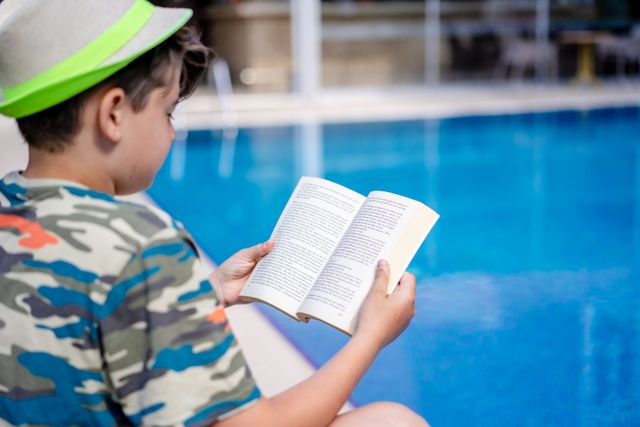
How to Keep Your Language Learning Light but Consistent
Consistency matters more than intensity during vacation. One long study session every three weeks is less useful than a few minutes of contact several times a week. Languages stay active through repetition.
Light practice also reduces pressure. When a task takes only five or ten minutes, you are more likely to do it. You can fit it between summer plans instead of waiting for the perfect quiet afternoon.
The best summer habits are easy to start. They do not require a desk, a long lesson, or a complicated plan. They can happen while walking, cooking, commuting, packing, resting, or drinking coffee.
Use 5–10 Minute Daily Language-Learning Habits
A 5–10 minute habit is enough to keep a language present in your day. The key is to choose something concrete.
For listening, play one short video or one podcast segment. You do not need to understand every word. Try to catch repeated phrases, familiar verbs, names, numbers, and tone. If you are learning English, listen for common expressions such as I think, Do you want to…?, I’m going to…, or That sounds good.
For speaking, describe what you are doing out loud:
I am making coffee.
I am packing my bag.
I need my sunglasses.
I am going to the supermarket.
This works especially well for English learners because it practises everyday verbs and present continuous forms. A Spanish learner could do the same with Estoy preparando café [I’m making coffee] or Voy al supermercado [I’m going to the supermarket].
For writing, keep a three-line diary. Write one sentence about yesterday, one about today, and one about tomorrow. For example:
Yesterday I watched a film.
Today I am working from home.
Tomorrow I will meet my friends.
This small format is powerful because it practises three time frames without turning writing into a big task.
For vocabulary, choose five words connected to your real day. If you went to the beach, learn towel, sand, waves, sunburn, and swimsuit. If you cooked dinner, learn onion, pan, boil, spicy, and delicious. Words are easier to remember when they belong to something you actually experienced.
Connect Practice to Your Summer Language-Learning Routine
The easiest way to keep learning during summer is to attach the language to something you already do. This is called habit stacking: instead of creating a completely new routine, you add language practice to an existing one.
For example, you can listen to a podcast while walking. You can review vocabulary while drinking your morning coffee. You can watch one short video before bed. You can write your mini diary after dinner. You can practise travel phrases while packing.
The connection matters because it removes the question, “When will I study?” The answer becomes automatic: after coffee, during the walk, before bed, after dinner.
You can also connect practice to summer pleasures. If you enjoy cooking, follow a recipe in your target language. A learner of Italian could watch a short pasta recipe in Italian. A learner of English could follow a simple recipe for lemonade, salad, or pancakes and write down useful verbs such as chop, mix, pour, bake, and serve.
If you enjoy music, choose one summer song in your target language and learn the chorus. Spanish learners might use a clear pop song by Shakira or Juanes (or an Argentine music playlist if they want to practice that variety); French learners might try a slower song by Stromae or Zaz; Portuguese learners might listen to Gilberto Gil or Marisa Monte. The goal is not to translate every line perfectly. It is to hear rhythm, repeat phrases, and build emotional connection with the language.
If you enjoy films or series, choose short, manageable scenes. Do not start with a complex crime drama if you are a beginner. Use subtitles in the target language when possible, pause useful lines, and repeat one or two phrases out loud. The point is to make the language part of your summer, not another obligation competing with it.
How to Make Language Part of Your Summer Activities
The easiest summer practice is the kind that fits into things you already enjoy. If language learning only happens at a desk, it will probably compete with travel, family plans, rest, and social life. But if it becomes part of your entertainment, walks, meals, music, or holiday planning, it feels much easier to maintain.
This kind of practice is useful because it gives the language context. You are not memorizing random vocabulary. You are connecting words and phrases to films you like, songs you repeat, food you cook, places you visit, and conversations you might actually have.
Watch Films, Series, or YouTube Videos in the Target Language
Films, series, and YouTube videos help you hear how the language sounds in real situations. You hear rhythm, intonation, hesitation, emotion, slang, and common phrases that do not always appear in textbooks.
The key is to choose something manageable. A full film with fast dialogue can be frustrating if your level is low. A short YouTube video, a familiar episode, or one scene from a series is often better. You can watch it once with subtitles in your language, then again with subtitles in the target language, and then choose two or three useful phrases to repeat.
For example, if you are learning English, you could watch short clips from Friends, The Office, or BBC Learning English videos. A beginner might focus on everyday phrases like What are you doing?, I don’t know, That’s a good idea, or See you later. These are small phrases, but they appear constantly in real speech.
If you are learning Spanish, channels like Easy Spanish can be useful because you hear real street interviews with subtitles. You might listen for phrases such as ¿Qué haces en verano? [What do you do in summer?], me gusta viajar [I like travelling], or hace mucho calor [it’s very hot].
If you are learning French, beginner-friendly videos from TV5MONDE or InnerFrench can help you hear clear, natural French. You might focus on repeated connectors like parce que [because], en fait [actually], or je pense que [I think that].
The goal is not to understand every word. The goal is to keep your ear active and collect language you can actually reuse.
Listen to Music, Podcasts, or Short Audio Clips in the Target Language
Listening is one of the easiest skills to maintain during summer because it can happen while you are doing something else. You can listen while walking, cooking, cleaning, travelling, or sitting outside.
Music is especially useful because repetition happens naturally. When you like a song, you listen to it more than once without forcing yourself. That repetition helps you remember sounds, phrases, and pronunciation patterns. A Spanish learner might choose a clear song by Juanes or Shakira. A French learner might try Zaz or Stromae. A Portuguese learner might listen to Brazilian songs by Marisa Monte or Gilberto Gil. An English learner might choose a slower pop song and write down repeated phrases from the chorus.
Podcasts and short audio clips are better when you want listening practice with more everyday speech. A beginner should choose short, clear material rather than long native-speed discussions.
A simple method is to listen three times:
First, listen for the general topic.
Second, listen for familiar words.
Third, write down one useful phrase.
For example, an English learner listening to a short weather forecast might write:
It will be sunny tomorrow.
There is a chance of rain.
Temperatures will reach 28 degrees.
This works because the phrases are practical. You can reuse them in real conversations about plans, travel, and daily life.
Keep a Mini Summer Language Diary
A mini summer diary is one of the simplest ways to keep writing active. It does not need to be long. In fact, it works better when it is short, because you are more likely to continue.
The best format is three to five sentences. Write about things you really did, saw, ate, watched, or felt. This makes the language personal and easier to remember.
For an English learner, a simple diary entry might look like this:
Today I went to the beach with my sister.
The weather was sunny and very hot.
We ate sandwiches and drank lemonade.
In the evening, I watched a film at home.
Tomorrow I am going to study for ten minutes.
This short entry practises several useful areas at once: past actions, weather, food, family, evening activities, and future plans. It also helps you notice gaps. If you want to say “I forgot my towel” but do not know the word towel, that becomes useful vocabulary because it came from your real day.
You can also use diary prompts to avoid staring at a blank page:
Where did I go today?
What did I eat?
Who did I speak to?
What was the weather like?
What am I going to do tomorrow?
For beginners, even lists are useful:
coffee, beach, bus, ticket, hotel, tired, sunny
Then, when you feel ready, turn one word into a sentence:
I took the bus to the beach.
That is how small writing becomes sentence practice.
Practise Speaking Without Pressure
Speaking is often the first skill learners avoid during a break. It feels exposed. You have to remember words quickly, pronounce them clearly, and respond in real time. But speaking does not have to begin with a difficult conversation. You can keep it active through small, low-pressure practice.
The goal is to stop your mouth from forgetting the language. Reading silently is useful, but it does not train pronunciation or fluency in the same way. Saying words out loud helps your brain and mouth work together, so the language feels less strange when you need it.
Prepare Simple Summer Conversations
Summer conversations are often predictable, which makes them perfect for preparation. People ask about holidays, travel, weather, plans, food, work, family, and weekends. If you prepare a few useful answers, you can reuse them many times.
For English learners, useful summer answers might include:
I’m going to the beach this weekend.
I’m visiting my family in August.
I’m taking a few days off work.
The weather has been very hot.
I don’t have big plans, but I want to relax.
These sentences are practical because they match real conversations. They also give you useful grammar: going to for plans, present perfect in has been, and everyday verbs like visit, relax, and take time off.
For Spanish learners, useful summer phrases might include:
Voy a viajar en agosto.
[I’m going to travel in August.]
Hace mucho calor hoy.
[It’s very hot today.]
Quiero reservar una mesa para dos.
[I want to book a table for two.]
For French learners:
Je pars en vacances la semaine prochaine.
[I’m going on holiday next week.]
Je voudrais un café, s’il vous plaît.
[I would like a coffee, please.]
Vous pouvez répéter, s’il vous plaît ?
[Could you repeat, please?]
Preparing these phrases is useful because real speaking is not completely spontaneous. Much of everyday conversation is made of reusable patterns. Once you know the pattern, you can change the details.
Talk Out Loud, Even When You Are Alone
Talking out loud alone may feel strange at first, but it is one of the best low-pressure ways to keep speaking active. There is no audience, no embarrassment, and no need to be perfect. You are simply training your mouth to produce the language.
Describe what you are doing:
I am making breakfast.
I am looking for my keys.
I need to buy water.
I am waiting for the bus.
I am tired, but I feel good.
This is especially useful because daily life repeats itself. If you say these kinds of sentences often, they become faster and more automatic.
You can also practise “mini speeches” for common topics. Set a timer for one minute and talk about your day, your plans, your favourite summer food, or a film you watched. Mistakes are fine. The purpose is fluency, not perfection.
For example, an English learner might say:
Today I went shopping. I bought fruit, bread, and coffee. After that, I came home and cooked lunch. It was very hot, so I drank a lot of water. Tonight I want to watch a film.
This short practice uses past tense, food vocabulary, connectors, weather, and future intention. It is simple, but it keeps speaking active.
Use Travel or Everyday Moments for Real Language Practice
Summer often creates natural chances to use another language. Travel is the obvious example, but you do not need to leave the country. You can practise while reading menus, following recipes, listening to tourists, changing the language settings on an app, watching travel videos, or speaking with friends who know the language.
If you are travelling, prepare phrases for the situations you will actually face. For a hotel, you might need:
I have a reservation.
What time is breakfast?
Can I leave my luggage here?
For a restaurant:
Could I see the menu, please?
I’m allergic to nuts.
Could we have the bill, please?
For transport:
How much is a ticket?
Does this bus go to the centre?
What time does the train leave?
These phrases matter because they reduce panic. You are not trying to create perfect sentences under pressure. You are using language you have already practised.
Everyday moments work too. If you are learning English, try changing your phone weather app to English and reading it each morning: sunny, cloudy, windy, chance of rain, high temperature, low temperature. If you are learning Italian, read a gelato menu and notice flavours. If you are learning German, look at train or airport vocabulary before a trip.
Real practice does not have to be dramatic. It simply means using the language for something real, even briefly. That is what keeps it alive during vacation.
Avoid Language Learning Burnout During Summer
Summer language learning should feel manageable. A routine that is too demanding may work for a few days, but it becomes difficult to maintain once holidays, family plans, travel, and changes in your usual schedule begin competing for your attention.
Burnout often develops when learners treat every study session as a test of discipline. They set ambitious targets, miss one or two days, and then feel that they have failed. A more sustainable approach is to adjust the amount of study while keeping some regular contact with the language.
For example, a learner who normally studies French for forty-five minutes each evening might reduce that routine to ten minutes during a holiday. They could review a short vocabulary list, listen to part of a French podcast, or describe the day aloud using simple sentences such as:
- Aujourd’hui, nous avons visité la plage. [Today, we visited the beach.]
- Il faisait très chaud. [It was very hot.]
- Demain, nous allons au marché. [Tomorrow, we are going to the market.]
The reduced routine still practises vocabulary, sentence structure, pronunciation, and recall. More importantly, it keeps French connected to everyday life rather than turning it into another demanding summer obligation.
Take Short Breaks Without Losing Your Language Learning Routine
Short breaks are useful when you feel tired, distracted, or overwhelmed. The key is to make the break intentional rather than allowing one missed lesson to turn into several months without practice.
You might decide to take a full week away from textbooks while keeping one light point of contact with the language. This could mean listening to music, changing the language on a familiar app, or watching a short video without taking notes.
A Japanese learner, for example, could take a break from grammar exercises while continuing to notice words in a favourite anime or cooking channel. A German learner might listen to a familiar song and identify expressions they already understand. These activities require little effort, but they help keep the sounds and rhythms of the language familiar.
It is also helpful to choose a clear date for returning to more structured study. Writing “Restart workbook practice on 12 August” in your calendar creates a specific plan. Without that decision, a temporary pause can easily become an indefinite one.
Celebrate Small Language Learning Wins
Language progress often appears in small moments before it becomes visible in test results or long conversations. During summer, pay attention to these moments.
A small win might be:
- Understanding a sentence in a television programme without subtitles.
- Remembering the correct word while ordering food.
- Following the main idea of a short podcast.
- Writing a message without translating every sentence first.
- Recognizing a grammar pattern that previously felt confusing.
Suppose an English learner writes a brief diary entry:
Today I went to the beach with my sister. The water was cold, but we stayed for two hours. Later, we had ice cream near the harbour.
The entry may contain familiar vocabulary and simple structures, but it shows that the learner can connect events, use the past tense, and express contrast with but. That is meaningful progress.
Recording these achievements in a notebook or phone note can make improvement easier to see. You could write one sentence each week beginning with “This week, I managed to…” Over time, the list becomes evidence that regular, modest practice is producing results.
Keep Learning with a Flexible Summer Language Course
A flexible summer language course provides structure without requiring you to organize your entire holiday around fixed classroom hours. Instead of following a general programme designed for a large group, you can focus on the language that is most relevant to your plans.
Someone preparing for a trip to Italy might prioritize restaurant vocabulary, Italian phrases to ask for directions, hotel conversations, and polite questions. A professional studying German could concentrate on presentations, meetings, and industry-specific terminology. A learner reconnecting with Spanish-speaking relatives might practise family conversations, listening skills, and the regional vocabulary used at home.
Language Trainers builds courses around the learner’s goals, level, schedule, and preferred learning style. Your trainer can adapt the lesson plan as your summer changes. Before a trip, lessons might focus on practical speaking. After you return, the course could shift towards grammar, vocabulary expansion, or discussing your travel experiences in the target language.
This personalized approach helps you use limited study time effectively because each lesson has a clear purpose. You spend less time working through material you already know or topics that have little connection to your needs.
How Online and Face-to-Face Language Lessons Keep You Accountable
Regular lessons create a clear point of continuity during an unpredictable season. Even when the rest of your schedule changes, knowing that you will speak with your trainer each week gives you a reason to review vocabulary, prepare questions, and continue practising.
Online lessons offer flexibility when you are travelling or dividing your time between different locations. You can continue learning from a hotel, holiday home, or temporary workspace, provided you have a suitable internet connection.
Our face-to-face language courses offer a different kind of support. Meeting a trainer in person creates a dedicated learning environment away from household distractions, notifications, and unfinished tasks. Conversation can feel more natural because the trainer can use gestures, objects, printed materials, and activities based on the places around you.
For example, a face-to-face Spanish lesson could include practising how to order from a real menu, describing objects in the room, or role-playing a conversation at a hotel reception desk. The trainer can respond immediately to your pronunciation, body language, and hesitation, helping you develop the confidence needed for real interactions.
Language Trainers offers both online and face-to-face lessons, allowing learners to choose the format that fits their location and routine. Lessons can be arranged at convenient times and, for face-to-face courses, at an agreed location such as the learner’s home, workplace, or another suitable meeting place.
Why Personalized Language Lessons Work Well During Busy Summer Schedules
A personalized lesson plan gives you room to adjust your workload without losing direction. Your trainer knows what you are working towards and can decide which skills should remain active when your available time becomes limited.
During a particularly busy week, the lesson might focus on conversation and review rather than introducing several new grammar points. If you are about to travel, your trainer can replace a planned writing activity with practical speaking exercises. When you have more time again, you can return to longer assignments and more detailed study.
This flexibility is especially valuable because learners do not all need the same summer routine. One person may want two lessons a week before an international move, while another may prefer one weekly session to maintain their current level. Language Trainers develops the course around those individual circumstances rather than asking every learner to follow the same pace.
Face-to-face lessons can make this personalized approach particularly effective. Your trainer can observe how you respond to different activities, adapt explanations immediately, and bring materials that match your interests. A visual learner might work with maps, images, and colour-coded notes. A learner preparing for professional meetings might practise presentations and receive immediate feedback on delivery, tone, and pronunciation.
The purpose of a summer course is to give your learning enough structure to continue without making your schedule feel overloaded. With a personalized lesson plan, flexible scheduling, and the option of face-to-face support, you can maintain your progress while still leaving space for travel, rest, and time with family.
Would you like to keep making progress this summer without committing to a rigid schedule? Contact Language Trainers to arrange personalized language lessons built around your goals, availability, and preferred learning style.
→Sign Up Now: Free Trial Language Lesson With a Native Teacher!←
5 Questions About Summer Language Learning
1. Can you lose language progress over summer?
Yes, some language skills may become less accessible when you stop practising for several weeks or months. Vocabulary can take longer to recall, listening may feel more difficult, and speaking can become less fluent because you are no longer retrieving words regularly.
This does not mean that everything you learned has disappeared. A small amount of consistent contact, such as reviewing vocabulary, listening to short recordings, or having a weekly conversation, helps keep the language active and makes it easier to return to more intensive study later.
2. How much should I study a language during vacation?
Around five to fifteen minutes a day may be enough to maintain momentum during a busy vacation. The right amount depends on your current level, goals, and schedule, so there is no need to follow the same routine you use during the rest of the year.
You might review ten vocabulary cards over breakfast, listen to a short podcast while walking, or write three sentences about your day before bed. A learner of English could write: “We visited a small town today. I tried a local dish. Tomorrow, we are going hiking.” This brief activity practises past and future forms without turning the holiday into a study programme.
3. What is the easiest way to maintain a language over summer?
The easiest approach is to connect the language to something already included in your summer routine. This removes the need to create a separate study period every day.
For example, you could listen to Spanish music while travelling, follow an Italian recipe at lunchtime, watch a familiar series with German subtitles, or describe your surroundings in French during a walk. Regular contact matters more than completing long or demanding exercises.
4. Should I take a break from language learning?
A short, planned break may be helpful when you feel tired or unmotivated. Rest gives you time to recover, particularly after an intensive course, exam, or demanding period of study.
Try to decide how long the break will last and when you will resume structured learning. You can keep a very light connection during that time through music, films, social media, or casual reading. This makes returning to lessons easier because the language has remained familiar.
5. Are online language lessons useful during summer?
Yes, online language lessons are useful during summer because they can continue when you are travelling, staying elsewhere, or working with a changing schedule. They provide regular speaking practice and accountability without requiring travel to a classroom.
Learners who prefer in-person interaction may benefit from face-to-face lessons arranged at a convenient location. Language Trainers offers online and face-to-face courses with personalized lesson plans based on each learner’s level, interests, availability, and objectives. This flexibility allows the course to focus on practical travel language, conversation, professional communication, or general maintenance during the summer months.