
Navigating Tokyo: Essential Japanese for First-Time Visitors
 Posted by
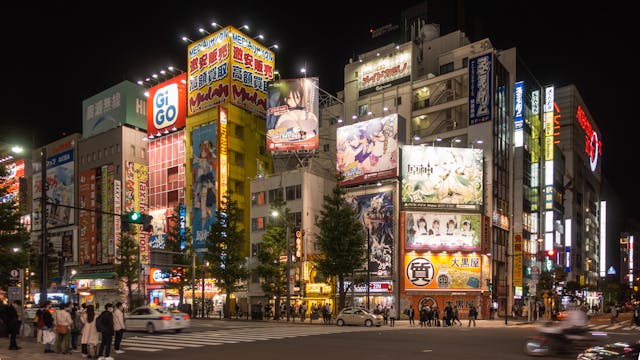
 Tokyo hits you fast. One minute you are staring up at giant screens in Shibuya, the next you are standing in a perfectly quiet train carriage wondering whether you are meant to say something, bow, move faster, or just stay out of the way. That is part of the thrill. Tokyo feels electric, precise, and full of tiny social cues that first-time visitors do not always see coming. A few basic Japanese phrases make a real difference, not only because they help you get around, order food, or ask for directions, but because they show respect in a city where politeness, public calm, and consideration for others shape everyday life. In Tokyo, even a simple greeting or apology, said at the right moment, helps you move through the city with more ease and connect with people in a warmer, more natural way.
In this article, we will go through the essential Japanese phrases and cultural cues that help first-time visitors navigate greetings, transport, restaurants, shops, and everyday interactions in Tokyo with more confidence. For many travelers, that extra confidence is what makes the difference between simply visiting Japan and really getting by in Japan with less stress and more enjoyment.
→Sign Up Now: Free Trial Japanese Lesson With a Native Teacher!←
How to Greet People Politely in Japanese
In Tokyo, greetings are not usually loud or overly expressive. People tend to keep a bit more personal space, speak in a softer tone, and show politeness through small gestures rather than big displays. That is why greetings matter so much. A slight bow, a calm voice, and one or two well-chosen words already leave a good impression. Visitors do not need to perform a deep formal bow or sound perfect. What matters most is showing awareness of the setting and using polite language that fits the moment.
The most useful greeting to know is こんにちは (konnichiwa), which means hello or good afternoon. This is the standard daytime greeting and works well in shops, hotels, cafés, and most everyday situations. It sounds polite without feeling stiff, so it is a safe choice for first-time visitors.
In the morning, おはようございます (ohayō gozaimasu) means good morning. The full phrase sounds polite and is the better option with hotel staff, restaurant workers, or anyone you do not know. You may hear the shorter おはよう (ohayō) among friends or in casual settings, but visitors are better off sticking with the more respectful version.
In the evening, こんばんは (konbanwa) means good evening. This is useful when entering a restaurant at night, greeting someone at your accommodation, or starting an interaction after dark. Like konnichiwa, it is polite, simple, and widely used.
A very important phrase in Japan is すみません (sumimasen), which may mean excuse me, sorry, or even thank you for the trouble depending on the situation. In Tokyo, sumimasen does a huge amount of work. You use it to get a server’s attention, to apologize lightly when you pass in front of someone, or to acknowledge a small inconvenience. It is one of the most useful words a visitor can learn because it sounds polite and modest, which fits Japanese social expectations very well.
Another essential phrase is ありがとうございます (arigatō gozaimasu), which means thank you very much. In a city where service is attentive and highly professional, saying thank you matters. You can use it with cashiers, station staff, hotel workers, or anyone who helps you. The shorter ありがとう (arigatō) means thanks, though arigatō gozaimasu is the safer and more polite version for travelers.
When you are meeting someone for the first time, はじめまして (hajimemashite) means nice to meet you or, more literally, this is our first meeting. It is common in introductions and gives your greeting a thoughtful, respectful tone. In a more personal interaction, such as meeting a host, guide, or teacher, it leaves a noticeably better impression than jumping straight into English.
A phrase you may hear all the time in shops and restaurants is いらっしゃいませ (irasshaimase), which means welcome. Staff say it to customers when they enter. Visitors do not need to answer it. A smile or small nod is enough. Responding verbally is not expected, and many travelers find that knowing this saves them an awkward second of wondering what to do.
Before moving on, it helps to remember that greeting someone in Japan often includes a light bow rather than a handshake. A small nod of the head works perfectly well for most travel situations. Tokyo is used to visitors, so nobody expects flawless etiquette, but using phrases like konnichiwa, sumimasen, and arigatō gozaimasu with a gentle tone already shows the kind of respect people notice.
Useful Japanese Phrases for Trains, Stations, and Getting Around Tokyo
Tokyo’s transport system is one of the great pleasures of the city. Trains arrive with astonishing punctuality, platforms are orderly, and even in the busiest stations the whole system tends to move with quiet efficiency. That same efficiency depends on a strong sense of shared space. People queue neatly, keep their voices low, and avoid phone calls on trains. You are not expected to know every unwritten rule, but a few phrases and habits make a big difference. Speaking softly, following the line in front of you, and keeping your phone on silent will already make you look much more at ease. It is worth remembering too that eating on regular commuter trains is generally frowned upon, while eating on long distance trains like the Shinkansen is perfectly normal.
One of the most useful phrases in any station is すみません (sumimasen), which means excuse me, sorry, or pardon me. In Tokyo, this is the phrase you use when you need to get someone’s attention politely, when you want to pass through a crowd, or when you are about to ask for help. It sounds modest and respectful, which is exactly the tone that works best in Japanese public spaces.
To ask where something is, 〜はどこですか (… wa doko desu ka) means where is … ? This pattern is incredibly useful because you can swap in almost any place name. For example, 駅はどこですか (eki wa doko desu ka) means where is the station? and トイレはどこですか (toire wa doko desu ka) means where is the toilet? In a large station, that kind of simple question goes a long way.
If you want to ask how to get somewhere, 〜へはどう行きますか (… e wa dō ikimasu ka) means how do I get to … ? A very practical version is 渋谷駅へはどう行きますか (Shibuya-eki e wa dō ikimasu ka), meaning how do I get to Shibuya Station? This is especially helpful when you are dealing with Tokyo’s maze of exits, transfer corridors, and station names that seem to go on forever.
Another very useful phrase is この電車は〜に行きますか (kono densha wa … ni ikimasu ka), which means does this train go to … ? You might ask この電車は新宿に行きますか (kono densha wa Shinjuku ni ikimasu ka), meaning does this train go to Shinjuku? That is often easier than trying to decode every sign when you are moving quickly through a crowded platform.
When you need a specific platform, 何番線ですか (nan-bansen desu ka) means which platform is it? Tokyo stations often have clear signage, but they are so large that asking directly may save time and stress. A longer version like 山手線は何番線ですか (Yamanote-sen wa nan-bansen desu ka) means which platform is the Yamanote Line on?
You may hear staff use お急ぎください (oisogi kudasai), which means please hurry, or まもなく電車がまいります (mamonaku densha ga mairimasu), meaning the train is arriving shortly. You do not need to memorize announcements, but recognizing a few common words helps you feel less lost. Tokyo moves quickly, though not chaotically. The goal is not speed for its own sake, but smooth movement without blocking others.
One last phrase worth knowing is ありがとうございます (arigatō gozaimasu), meaning thank you very much. Station staff, even in the busiest places, are often extremely helpful. A simple thank you after someone points you to the right exit or platform is always appreciated. In a city where public calm and mutual consideration shape so much of daily life, that small phrase fits naturally into the rhythm of getting around.
What Japanese Phrases Should You Use in Restaurants?
Eating in Tokyo is one of the best parts of being there. You might be squeezing into a tiny ramen shop, ordering lunch from a vending machine, sitting down at an izakaya, or grabbing something surprisingly good from a convenience store. Yet the language of eating matters almost as much as the food. Restaurant culture in Japan is polite but usually not overly chatty. Staff may not come by repeatedly to ask how everything is, and in many places you need to call them when you are ready. Service is attentive, but it works differently from what many visitors are used to. Another important difference is that Japan is not a tipping culture. Good service is considered part of the job, so politeness, not extra money, is the normal way to show appreciation.
The first phrase every visitor should know is すみません (sumimasen), which here means excuse me. In restaurants, this is the normal way to call a server over politely. You do not need to wave dramatically or raise your voice too much. A calm sumimasen is usually enough. In many casual places, that is exactly what local customers do.
Before eating, many Japanese people say いただきます (itadakimasu), which is often translated as I humbly receive. In practice, it functions a bit like saying let’s eat or giving thanks before a meal, though it carries a deeper sense of gratitude to the people who prepared the food and to the ingredients themselves. Visitors are not required to say it, but knowing it helps you understand the emotional tone around meals in Japan.
After finishing, ごちそうさまでした (gochisōsama deshita) means thank you for the meal. This is a very natural phrase when leaving a restaurant, especially a smaller or more personal place. It expresses appreciation in a way that fits Japanese dining culture much better than leaving a tip ever would.
To order something, これをお願いします (kore o onegaishimasu) means this one, please. It is one of the most useful restaurant phrases in the language because you can simply point at a menu item and say it. In a busy ramen shop or lunch spot, that may be all you need. Another helpful phrase is おすすめは何ですか (osusume wa nan desu ka), meaning what do you recommend? In smaller places especially, asking for the recommendation often leads to a warmer exchange.
If you have dietary preferences or just want to avoid a shockingly spicy dish, 辛くしないでください (karaku shinaide kudasai) means please do not make it spicy. Tokyo food is not uniformly fiery, but this is still useful in certain restaurants. If something tastes great, おいしいです (oishii desu) means it’s delicious. That simple compliment is always well received.
When it is time to pay, お会計お願いします (okaikei onegaishimasu) means the bill, please. In some places you pay at the table, while in others you take the receipt to the register near the entrance. Another common point of confusion for first-time visitors is the small appetizer sometimes served automatically at izakayas. That item may appear without being ordered and still be charged, which is normal rather than a mistake.
One final cultural point to remember is that, in Japan, finishing your meal is generally seen as polite, and ordering too much only to leave food behind may come across poorly. Slurping noodles, on the other hand, is perfectly acceptable and in many contexts expected. In Tokyo restaurants, the goal is not to perform every custom flawlessly. The goal is to show that you are paying attention. A well-timed sumimasen, itadakimasu, gochisōsama deshita, and arigatō gozaimasu already does a lot.
Japanese Shopping Phrases for Stores, Convenience Shops, and Markets
Shopping in Tokyo feels smooth once you understand the rhythm. Staff are polite, fast, and attentive, but the interaction is usually more formal and less chatty than in many other countries. When you walk into a shop, department store, or convenience store, you will often hear いらっしゃいませ (irasshaimase), which means welcome. It is not really a question or an invitation to start talking. It is a standard greeting from staff, and visitors do not need to answer it. A small nod or a brief smile is enough. Money handling tends to be polite and careful too. In many places, you place cash or your card on a small tray rather than directly into the cashier’s hand, and the change is returned the same way. Tokyo shopping is efficient, but it is built on small signs of respect.
A very practical Japanese phrase for visitors in shops is これください (kore kudasai), which means this, please. It is perfect when you are pointing at an item in a bakery, souvenir shop, or convenience store counter. In a city where speed matters, this phrase helps you keep the interaction simple and polite.
When you want to ask the price, いくらですか (ikura desu ka) means how much is it? In most Tokyo shops, prices are clearly marked and fixed, so you will not need it constantly. Even so, it is useful in small stores, local markets, or anywhere the price is not obvious.
Looking for something specific calls for 〜がありますか (… ga arimasu ka), which means is there … ? For example, 充電器がありますか (jūdenki ga arimasu ka) means is there a charger? and 水がありますか (mizu ga arimasu ka) means is there water? This works especially well in convenience stores, where travelers often need practical things quickly.
Trying things on is less automatic in Japan than in some other places, so 試着してもいいですか (shichaku shite mo ii desu ka) means may I try it on? This is useful in clothing stores, though some shops have clear fitting room procedures you are expected to follow. In Tokyo, staff will often guide you very politely once you ask.
When you are ready to pay, カードで払えますか (kādo de haraemasu ka) means can I pay by card? That is often more useful than a general payment phrase because many visitors want to check payment methods quickly, especially in smaller shops or market stalls.
If you need a bag, 袋をください (fukuro o kudasai) means a bag, please. This matters more now because plastic bags often cost extra. Many locals carry reusable bags, and visitors who do the same will find Tokyo shopping easier.
One small expression worth knowing is 結構です (kekkō desu), which means no thank you or that’s fine. Cashiers may ask whether you need a bag, chopsticks, or a receipt. A polite kekkō desu helps you decline without sounding abrupt. In Tokyo, these tiny exchanges happen quickly, and this phrase makes them much easier to handle.
Japanese Phrases for Everyday Politeness and Social Situations
A lot of daily interaction in Japan depends less on saying many words and more on saying the right small words in the right tone. People often speak softly, avoid sounding too direct, and show respect through brief but careful expressions. That matters in Tokyo especially, where people move fast but still pay attention to not intruding on others. You do not need long sentences to sound polite. In many situations, one short phrase, said calmly, does more than a full explanation. That is why everyday Japanese often feels so compact and so socially precise. That same awareness helps when you branch out into other parts of the language later, whether through anime films, Japanese songs, or everyday media.
When you need to apologize clearly, ごめんなさい (gomen nasai) means I’m sorry. This fits real apologies better than a softer all-purpose expression. In everyday Tokyo situations, it is useful when you bump into someone, misunderstand something, or need to acknowledge a genuine mistake.
Gratitude matters just as much. どうもありがとうございます (dōmo arigatō gozaimasu) means thank you very much. It is warmer and slightly fuller than the basic polite thank you, which makes it a nice fit for social situations where someone has gone out of their way to help you.
A useful Japanese phrase for visitors in social situations is お願いします (onegaishimasu), which often means please or I’m asking for your help/favour. It appears in countless situations. You use it when requesting help, handing something over, or softening a request. The exact English translation shifts with the moment, but the polite tone stays constant.
You may hear そうですか (sō desu ka) quite often. It means is that so? or I see. This is one of those subtle phrases that helps conversations flow more naturally. It shows that you are listening without interrupting or reacting too strongly, which suits Japanese conversational style very well.
When you meet someone in a more personal setting, よろしくお願いします (yoroshiku onegaishimasu) is harder to translate neatly, but a natural equivalent is please treat me kindly or I look forward to your help and goodwill. It is often used after introductions and carries a very Japanese sense of mutual respect. Visitors do not need to force it into every conversation, but hearing it helps you understand how relationships are framed politely from the start.
The bigger lesson in all these phrases is that politeness in Japan is often quiet rather than expressive. In Tokyo, sounding respectful usually means sounding calm, not dramatic. A sincere apology, a warm thank you, and a phrase that shows you are listening already help you sound far more natural in everyday situations.
What Should I Say in a Japanese Onsen, Hotel, or Traditional Accommodation?
Places like onsens, ryokans, and traditional guesthouses often feel more rule-bound than restaurants or shops, even when nobody explains the rules out loud. That is because these spaces are built around shared comfort, cleanliness, and an awareness of what belongs inside and outside. In many accommodations, shoes come off at the entrance. In tatami rooms, slippers come off too. In onsens, you wash thoroughly before entering the bath, and the bath itself is for soaking, not for cleaning. Towels stay out of the water, voices stay low, and the whole atmosphere depends on everyone following the same quiet code. A few Japanese phrases matter here because they help you ask without breaking that calm.
A phrase that works especially well in these settings is 失礼します (shitsurei shimasu), which means excuse me in a more formal and respectful sense. In a ryokan or hotel, this is a very natural way to begin when entering a space, asking a question, or getting someone’s attention politely.
To ask where something is, お風呂はどちらですか (ofuro wa dochira desu ka) means which way is the bath? and お手洗いはどちらですか (otearai wa dochira desu ka) means which way is the toilet? Using dochira instead of a more basic question word sounds a little more polite, which fits these settings well.
A useful Japanese phrase for visitors staying overnight is 予約しています (yoyaku shiteimasu), meaning I have a reservation. That is one of the most practical things you can say at reception and often the first thing staff need to know.
If you need help understanding the house rules, 英語の案内はありますか (eigo no annai wa arimasu ka) means do you have information in English? In tourist-friendly places, the answer is often yes. In quieter or more traditional accommodation, asking politely makes a big difference.
Bathing spaces have their own vocabulary. タオルはどこにありますか (taoru wa doko ni arimasu ka) means where are the towels? and シャワーはどこにありますか (shawā wa doko ni arimasu ka) means where are the showers? A more specific Japanese phrase for visitors to an onsen is 入ってもよろしいですか (haitte mo yoroshii desu ka), meaning may I go in? That sounds more formal and fits well when you are unsure whether a bath is available, private, or currently in use.
Another issue many travelers need to handle carefully is tattoos. Some onsens allow them, some restrict them, and others may offer private baths instead. タトゥーがあります (tatū ga arimasu) means I have a tattoo. Follow that with 利用できますか (riyō dekimasu ka), meaning may I use it? Together they help you ask the question clearly and respectfully.
What matters most in these places is not sounding fluent. What matters is showing that you understand these are shared spaces with quiet expectations. In an onsen or traditional accommodation, language works best when it is brief, gentle, and paired with careful observation. A polite question often gets a very warm response.
How to Ask for Help in Japanese During an Emergency
Most trips to Tokyo go smoothly, but stress rises fast when you are lost, sick, or suddenly unsure what is happening. In those moments, simple language matters much more than perfect language. You do not need a long explanation. You need a few clear phrases that help you get attention, explain the problem, and find the right person. Tokyo is a huge city, though it is full of staff, signs, and systems designed to keep things moving. When something goes wrong, staying calm and using a short polite phrase often works better than rushing into fast English.
The first phrase to know is 助けてください (tasukete kudasai), which means please help me. This is the clearest direct request for help in a serious situation.
When you are lost, 道に迷いました (michi ni mayoimashita) means I’m lost. That is a very useful Japanese phrase for visitors because it explains the problem immediately without extra detail. In a large station or unfamiliar neighborhood, this phrase gets to the point fast.
If you need a doctor, 医者が必要です (isha ga hitsuyō desu) means I need a doctor. A related phrase is 気分が悪いです (kibun ga warui desu), which means I feel unwell. That helps in hotels, stations, restaurants, or anywhere you need to signal that something is wrong physically.
When language becomes the problem, 英語を話せますか (eigo o hanasemasu ka) means do you speak English? In an emergency, that may be the fastest way to move the conversation forward. Many staff in big stations, airports, hotels, and tourist-facing places will understand at least some English, but asking first is more polite and often more effective.
A very practical Japanese phrase for first-time visitors is ゆっくり話してください (yukkuri hanashite kudasai), meaning please speak slowly. In a stressful moment, this may help more than saying you do not understand, because it gives the other person a clear way to adjust.
For lost property, which is worth mentioning in Japan because lost items are often turned in, 落とし物をしました (otoshimono o shimashita) means I lost something. That phrase is useful in stations, shops, and hotels. Staff are usually very used to dealing with this kind of problem.
If you need police assistance, 警察を呼んでください (keisatsu o yonde kudasai) means please call the police. For an ambulance, 救急車を呼んでください (kyūkyūsha o yonde kudasai) means please call an ambulance. These are stronger phrases, but they are worth having in the article because they cover the moments that matter most.
In an emergency, Japanese politeness still matters, though clarity matters more. A direct request for help, followed by a clear phrase like michi ni mayoimashita or kibun ga warui desu, gives people something they can act on right away.
Takeaway Table of Essential Japanese Phrases for First-Time Visitors to Tokyo
| Category | Japanese Phrase | Romanized Version | English Meaning |
| Greetings | こんにちは | konnichiwa | Hello / Good afternoon |
| おはようございます | ohayō gozaimasu | Good morning | |
| こんばんは | konbanwa | Good evening | |
| すみません | sumimasen | Excuse me / Sorry / Pardon me | |
| ありがとうございます | arigatō gozaimasu | Thank you very much | |
| はじめまして | hajimemashite | Nice to meet you | |
| いらっしゃいませ | irasshaimase | Welcome | |
| Transport and Getting Around | 〜はどこですか | … wa doko desu ka | Where is … ? |
| 駅はどこですか | eki wa doko desu ka | Where is the station? | |
| トイレはどこですか | toire wa doko desu ka | Where is the toilet? | |
| 〜へはどう行きますか | … e wa dō ikimasu ka | How do I get to … ? | |
| 渋谷駅へはどう行きますか | Shibuya-eki e wa dō ikimasu ka | How do I get to Shibuya Station? | |
| この電車は〜に行きますか | kono densha wa … ni ikimasu ka | Does this train go to … ? | |
| この電車は新宿に行きますか | kono densha wa Shinjuku ni ikimasu ka | Does this train go to Shinjuku? | |
| 何番線ですか | nan-bansen desu ka | Which platform is it? | |
| 山手線は何番線ですか | Yamanote-sen wa nan-bansen desu ka | Which platform is the Yamanote Line on? | |
| お急ぎください | oisogi kudasai | Please hurry | |
| まもなく電車がまいります | mamonaku densha ga mairimasu | The train is arriving shortly | |
| Restaurants | いただきます | itadakimasu | I humbly receive / Let’s eat |
| ごちそうさまでした | gochisōsama deshita | Thank you for the meal | |
| これをお願いします | kore o onegaishimasu | This one, please | |
| おすすめは何ですか | osusume wa nan desu ka | What do you recommend? | |
| 辛くしないでください | karaku shinaide kudasai | Please do not make it spicy | |
| おいしいです | oishii desu | It’s delicious | |
| お会計お願いします | okaikei onegaishimasu | The bill, please | |
| Shopping | これください | kore kudasai | This, please |
| いくらですか | ikura desu ka | How much is it? | |
| 〜がありますか | … ga arimasu ka | Is there … ? | |
| 充電器がありますか | jūdenki ga arimasu ka | Is there a charger? | |
| 水がありますか | mizu ga arimasu ka | Is there water? | |
| 試着してもいいですか | shichaku shite mo ii desu ka | May I try it on? | |
| カードで払えますか | kādo de haraemasu ka | Can I pay by card? | |
| 袋をください | fukuro o kudasai | A bag, please | |
| 結構です | kekkō desu | No thank you / That’s fine | |
| Everyday Politeness and Social Situations | ごめんなさい | gomen nasai | I’m sorry |
| どうもありがとうございます | dōmo arigatō gozaimasu | Thank you very much | |
| お願いします | onegaishimasu | Please / I’m asking for your help | |
| そうですか | sō desu ka | I see / Is that so? | |
| よろしくお願いします | yoroshiku onegaishimasu | Please treat me kindly / I look forward to your goodwill | |
| Onsen, Hotel, and Traditional Accommodation | 失礼します | shitsurei shimasu | Excuse me |
| お風呂はどちらですか | ofuro wa dochira desu ka | Which way is the bath? | |
| お手洗いはどちらですか | otearai wa dochira desu ka | Which way is the toilet? | |
| 予約しています | yoyaku shiteimasu | I have a reservation | |
| 英語の案内はありますか | eigo no annai wa arimasu ka | Do you have information in English? | |
| タオルはどこにありますか | taoru wa doko ni arimasu ka | Where are the towels? | |
| シャワーはどこにありますか | shawā wa doko ni arimasu ka | Where are the showers? | |
| 入ってもよろしいですか | haitte mo yoroshii desu ka | May I go in? | |
| タトゥーがあります | tatū ga arimasu | I have a tattoo | |
| 利用できますか | riyō dekimasu ka | May I use it? | |
| Emergencies | 助けてください | tasukete kudasai | Please help me |
| 道に迷いました | michi ni mayoimashita | I’m lost | |
| 医者が必要です | isha ga hitsuyō desu | I need a doctor | |
| 気分が悪いです | kibun ga warui desu | I feel unwell | |
| 英語を話せますか | eigo o hanasemasu ka | Do you speak English? | |
| ゆっくり話してください | yukkuri hanashite kudasai | Please speak slowly | |
| 落とし物をしました | otoshimono o shimashita | I lost something | |
| 警察を呼んでください | keisatsu o yonde kudasai | Please call the police | |
| 救急車を呼んでください | kyūkyūsha o yonde kudasai | Please call an ambulance |
Learn Japanese for Real Travel Situations with a Native Teacher
Learning a few Japanese phrases before a trip helps but learning them with a native teacher changes the whole experience. A native Japanese teacher does not just teach you what a phrase means. A native Japanese teacher shows you how that phrase sounds in real life, how soft or formal it should be, when a small bow matters more than extra words, and why one expression works well in a restaurant but feels awkward in a hotel or on a train. That matters in Japan, where tone, timing, and social awareness shape everyday communication just as much as vocabulary does.
At Language Trainers, our one-to-one Japanese lessons are built around the learner and the situations they are most likely to face. That means your teacher can focus on the travel Japanese that fits your trip, whether that means navigating Tokyo Station, ordering naturally in restaurants, understanding onsen etiquette, or asking for help with confidence. Just as important, your teacher adapts to your pace instead of forcing you into a fixed rhythm or a generic course plan. As Paul , one of our students, said about his Japanese course in Toronto, “The lessons with Ryoko are going very well. She is very responsive to how my wife and I are progressing, so there are no issues with the speed or area focus.” That kind of flexibility matters before a trip, because some learners want to build confidence with the basics first, while others want to concentrate on transport, food, or social etiquette right away.
Face-to-face lessons are especially valuable because they give you live practice with pronunciation, listening, rhythm, and social cues, with immediate feedback from someone who understands both the language and the culture behind it. That kind of personalized support helps you move beyond memorized phrases and start using Japanese in a way that feels more natural, respectful, and useful from the moment you arrive.
→Sign Up Now: Free Trial Japanese Lesson With a Native Teacher!←
Whether you are planning a short trip to Tokyo or preparing for a longer stay in Japan, learning Japanese with a native teacher helps you travel with more confidence and make a better impression in every everyday interaction. Contact Language Trainers to ask about your free trial lesson and start preparing for Japan with Japanese that fits real travel situations.
Frequently Asked Questions About Japanese for Travelers
1. Do I need to speak Japanese to travel in Japan?
No, you do not need to speak Japanese to travel in Japan, especially in Tokyo and other major tourist areas. Even so, knowing a few basic Japanese phrases makes daily situations much easier and usually leads to warmer, smoother interactions with locals.
2. What Japanese phrases should tourists learn first?
The most useful Japanese phrases for tourists are konnichiwa for hello, sumimasen for excuse me or sorry, arigatō gozaimasu for thank you very much, … wa doko desu ka for where is … ?, and tasukete kudasai for please help me. These phrases cover greetings, politeness, directions, and emergencies.
3. Is English widely spoken in Tokyo?
English is spoken in many hotels, airports, major stations, and tourist-facing businesses in Tokyo, though it is much less common in smaller shops, local restaurants, and less touristy neighborhoods. That is why even simple Japanese helps so much in everyday travel situations.
4. What is the most polite way to get someone’s attention in Japan?
The most polite and useful way to get someone’s attention in Japan is sumimasen. Japanese sumimasen works in many situations, including calling a server, asking a question, or moving past someone in a crowded place, and it sounds much more natural than raising your voice or waving dramatically.