
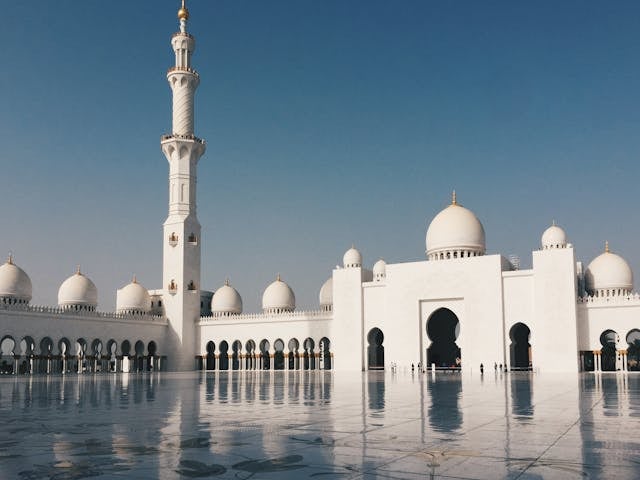
Your Complete Arabic Alphabet Chart with Pronunciation Tips
Let’s face it—Arabic looks intimidating at first. Those beautifully curvy letters, flowing right to left, might seem…

 1-289-272-0100

Let’s face it—Arabic looks intimidating at first. Those beautifully curvy letters, flowing right to left, might seem…
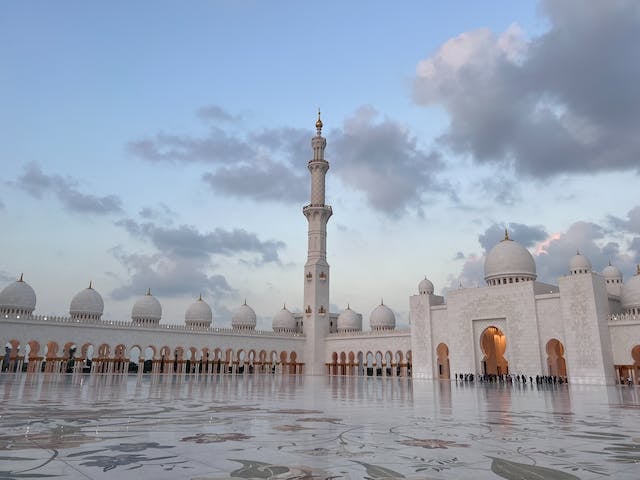
Are you travelling to an Arabic-speaking destination soon? Immerse yourself in the local culture and enhance your…
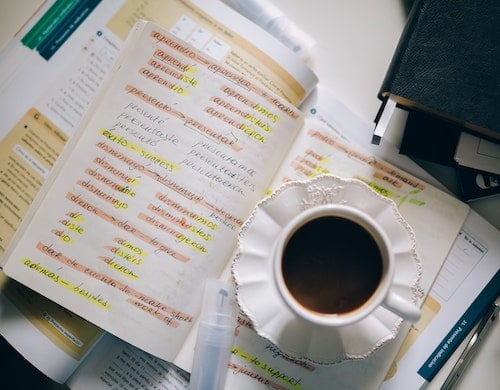
In today’s globalised business world, knowing a second or third language is not just a gold star…
![22 Arabic Greetings to Awe Your Friends [With Examples]](https://www.languagetrainers.ca/blog/wp-content/uploads/2021/07/eid-al-fitr-concept-with-muslim-man-eating-min-scaled.jpg)
Essential Arabic Greetings السلام عليكم (as-salām ʿalaykum) – Peace be upon you وعليكم السلام (wa ʿalaykum as-salām)…
There are plenty of reasons why you should start studying Arabic this year! Don’t believe us? Take a look at some of the most important ones.
There are plenty of well-paid positions in Canada that require you to be bilingual, especially in the gas and oil industry, so if you want to impress employers and land a job at top companies like Canadian Natural Resources Ltd, Enbridge Inc or Cenovus Energy Inc, becoming a fluent speaker is the way to go. Alternatively, if you’re interested in landing a corporate job, being able to communicate fluently in Arabic will turn you into an asset for most companies, particularly those that want to expand abroad and improve their sales in the Arab world, so if your goal is to stand out in your next job interview, you should start learning Arabic as soon as possible.
On the other hand, if you own a business in Canada and you’re trying to attract more clients, developing Arabic language skills will help you target new customers who are part of the foreign-born community, and build better business relationships with Arab Canadian business people. On top of that, speaking Arabic is essential if you want to take advantage of the successful economic relations between Canada and the UAE, which is the country’s largest export market in the Middle East and North Africa and its 20th largest foreign investor.
Do you have family members or in-laws in Arab countries like Algeria, Egypt, Lebanon, Palestine or Morocco? If so, learning how to communicate with them in their own language is an excellent way to improve your relationship with them and get to know their local culture. As you’re probably aware, not many people speak English in Arab countries, which can make communication a bit tricky, so instead of hiring a translator next time you visit your relatives, surprise them by learning Arabic. This will completely change your relationship with them for the better, as you’ll soon discover that Arab people are among the biggest supporters of learners interested in their language, and they’ll really appreciate you making the effort to learn about their culture. What’s more, learning Arabic can be a great way to connect with your or your spouse’s roots and come into contact with a new way of seeing the world.
Although there are plenty of different Arabic variants, if you learn Modern Standard Arabic, you’ll be able to make yourself understood in the 25 countries where it has official status, which are Yemen, Chad, Bahrain, Algeria, Djibouti, Comoros, Egypt, Eritrea, Jordan, Iraq, Israel, Kuwait, Libya, Lebanon, Morocco, Mauritania, Oman, Palestine, Saudi Arabia, Somalia, Sudan, Syria, Tanzania, Tunisia, the UAE and Qatar. If that weren’t enough, Arabic is so widespread throughout the world that, even if you visit countries like the United States, France, Brazil or Belgium, you’ll find big communities of speakers with whom you can speak the language, so it’s an incredibly useful language for travellers.
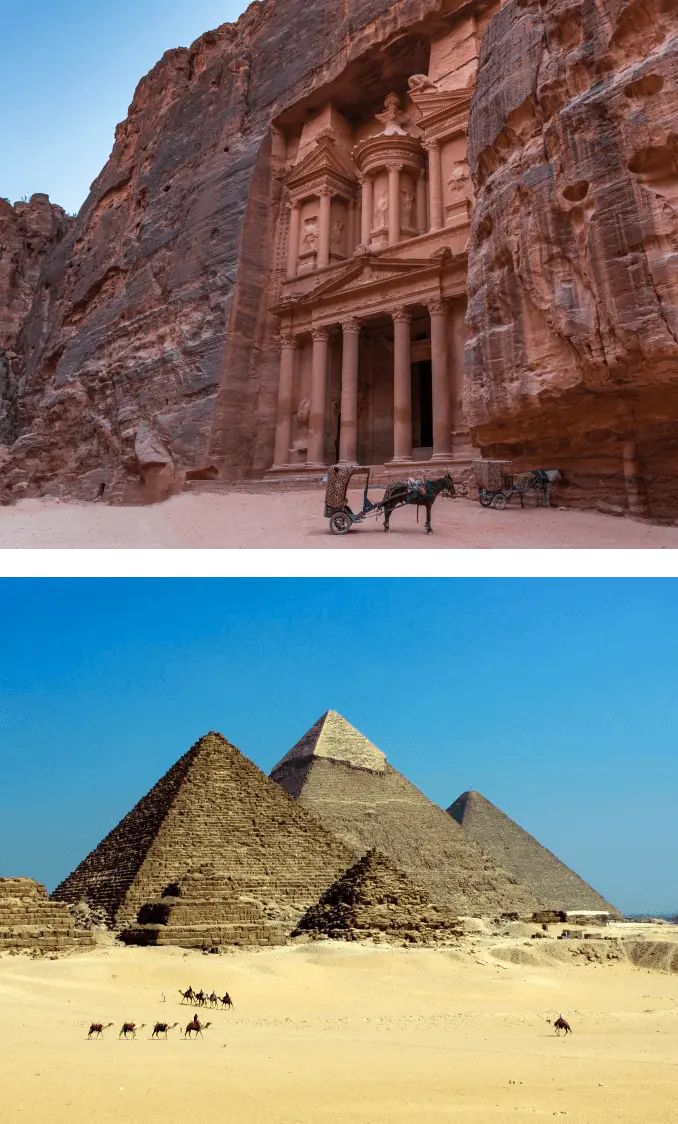
If you want to keep your mind sharp and challenge yourself, learning Arabic is one of the smartest things you can do, as you’ll have to learn a whole new group of sounds, master a new alphabet and learn how to read and write from right to left. Although it will take some time to get good at it, learning a language that’s so different from English can be really stimulating, as you’ll have to learn to think in a completely different way and be exposed to an alternative way of building sentences, since instead of following the subject-verb-object order we’re used to in English, you’ll have to get used to a verb-subject-object pattern.
Now that you know why learning Arabic is so beneficial, you probably can’t wait to begin your journey to fluency. However, unlike other European languages like French or Spanish, which share more words with English, learning Arabic can be really challenging for English speakers, so here are some tips to make it easier for you to achieve your language goals and become a proficient speaker in close to no time.
If you’re truly serious about speaking Arabic, the first thing you should do is find a qualified native teacher. This will ensure that you have access to the best learning materials and have a professional create lessons that are interesting and cover all the aspects of the language you need to know. Additionally, having a tutor means you’ll get to ask any questions you have about the language, which can lead to learning things about Arabic that you wouldn’t find in books or online, so if you want to expand your knowledge of the language and learn as much as possible, getting a teacher is certainly a good idea. What’s more, a trainer can help you practise the language and improve your pronunciation, so if your goal is to sound as much like a native speaker as possible, don’t hesitate to send us a quick inquiry now and we’ll put you in touch with one of our amazing Arabic tutors who will create a completely personalised language course based on your requirements.
As we previously mentioned, there are plenty of different Arabic dialects you can learn. Although it might be tempting to try to learn all of them, you should commit to one first and move on to others once you’ve mastered the variant that’s most useful for you to learn. Unless you need to learn a particular dialect to travel to a certain country, you should start with Modern Standard Arabic. This variant is the standardised version of Arabic that developed in the late 19th century and is used in all Arab countries, especially in academia, mass media, law and literature. It’s also the dialect that’s taught in formal education, so, as you can imagine, it’s ideal for those interested in reading books in Arabic, writing professionally in the language and studying in an Arab-speaking country. Once you are fluent in MSA, you can move on to a vernacular variety like Libyan Arabic, Egyptian Arabic, Moroccan Arabic, Algerian Arabic, Sudanese Arabic or Gulf Arabic, which is mainly spoken in the UAE, depending on where you want to go and what you want to do with the language.
Due to the fact that Arabic doesn’t sound like Indo-European languages, it might be hard to remember words at first, but don’t worry, there’s a simple way to memorise new vocabulary more effectively: using flashcards. Flashcards are just cards that have a word or phrase on one side, and its meaning on the other, and they are one of the most useful tools to practise your vocabulary every day. If you use them for at least fifteen minutes a day, you’ll avoid forgetting key Arabic words and you’ll be able to make progress much more quickly than just by repeating word lists, so go ahead and create your own deck or download apps like Quizlet or Anki, where you can find flashcards made by other users.
To learn the Arabic alphabet as quickly as possible, don’t waste time trying to look for the equivalent Arabic letters in English, as some letters like ع simply don’t exist in our language. Instead, you’ll have to pay special attention to the vocalisation of each of the 28 Arabic letters until you can properly distinguish them and practise writing them as much as you can while following the stroke order. Although learning how to write these letters from right to left can be intimidating for beginners, it’s not something you should worry about, as most learners are able to master this in close to no time. What you should pay attention to, however, is that Arabic letters change their form depending on where they are in a word. This can be confusing at first, so carefully study the different ways a letter can be written depending on whether it is in an initial position, a medial position, a final position, or an isolated position. To illustrate this, here’s a chart of the Arabic letters and the various forms they can take depending on their position in a word.
| Name | Isolated | Initial | Medial | Final |
|---|---|---|---|---|
| alif | ا | ا | ـا | ـا |
| baa | ب | بـ | ـبـ | ب |
| taa | ت | تـ | ـتـ | ـت |
| tha | ث | ثـ | ثـ | ـث |
| jiim | ج | جـ | ـجـ | ـج |
| Haa | ح | حـ | ـحـ | ـح |
| khaa | خ | خـ | ـخ | ـخـ |
| dal | د | د | ــد | ــد |
| dhal | ذ | ذ | ـذ | ـذ |
| raa | ر | ر | ـر | ـر |
| zay | ز | ـز | ـز | ـز |
| siin | س | سـ | ـسـ | ـس |
| shiin | ش | شـ | ـشـ | ـش |
| Saad | ص | صـ | ـصـ | ـص |
| Dhad | ض | ضـ | ـضـ | ض |
| Taa | ط | ط | ـطـ | ـط |
| Dhaa | ظ | ظـ | ـظـ | ـظ |
| hain | ع | عـ | ـعـ | ـع |
| ghain | غ | غـ | ـغـ | ـغ |
| faa | ف | فـ | ـفـ | ـف |
| qaaf | ق | قـ | ـقـ | ق |
| kaaf | ك | كـ | ـكـ | ـك |
| laam | ل | لـ | ـلـ | لـ |
| miim | م | مـ | ـمـ | ـم |
| nun | ن | نـ | ـنـ | ـن |
| haa | ه | هـ | ـهـ | ـه |
| waw | و | و | ـو | ـو |
| yaa | ي | يـ | ـيـ | ـي |
The easiest and most entertaining way of improving your Arabic is to immerse yourself in Arab cultures as much as possible from day one. Don’t know how? Here are some of the best ways you can do this.
One of the most challenging aspects of Arabic is its pronunciation, as it has some sounds that don’t exist in English. Although it can be daunting to go from reading in Arabic to actually having a conversation with someone in the language, here are some recommendations to make that transition more easily.
The easiest way to start speaking in Arabic is just by reading out loud. Try to choose easy texts at the beginning, and if you can, listen to recordings of native speakers reading them first. At first, don’t worry about making mistakes or mispronouncing words, as these are part of the process. Instead, focus on imitating the rhythm native speakers use while you read, and pay attention to the way they stress different words and phrases. If you do this often enough, you’ll stop feeling self-conscious while speaking Arabic, so go find something you can read and give it your best.
This technique, which consists of repeating dialogues as you hear them, is something you can do while watching a film or video, or while listening to your favourite podcast. Although it can seem simple, it’s a really useful habit that helps create new neural connections in your brain that will allow you to produce Arabic words and sentences quickly and accurately without having to think about it. If you’re not sure how good or bad you sound while repeating words, you can record yourself and compare your pronunciation with the original recording, or show it to your teacher and ask them to give you some feedback.
As soon as you feel ready to talk to a native, you should do it. Doing this will force you to put everything that you’ve been learning into practice in the last few weeks and actually find out if you can communicate in Arabic. To do this, you can attend a language exchange event near your city or town in Canada, or meet online friends on free websites like Meetup or Interpals. If you still find this too intimidating, you should first practise with your teacher, who’ll give you the best tips on how to sound more natural.
A fun exercise you can do with a trainer or with a language partner is to retell a story you read in your coursebook or online. Doing this will ensure you learn how to use different tenses in Arabic, remember new vocabulary, practise sentence building and of course, work on your pronunciation, so it’s a really simple way to boost several skills in one exercise. If you’re still a beginner, you should pick something really simple like a fairy tale or a text from a children’s book, and work your way up until you can retell more complex stories.
Are you ready to have your first conversation in Arabic? If so, here are some of the most commonly used greetings and phrases you need to know to start your next chat with a native speaker on the right foot.
| Arabic Version | Transliteration | English Version |
|---|---|---|
| مرحبا | Marhaba | Hi/Hello |
| السلام عليكم | As-salamu alaykum | Peace be upon you |
| صباح الخير | Sabah al-kheir | Good morning |
| مساء الخير | Masaa al-kheir | Good evening |
| كيف حالك | Kaefa haaluk? | How are you? |
| بخير شكراً | Bekheir shukran | Good, thanks |
| ما هو اسمك؟ | Ma huwa ismuk? | What’s your name? |
| من أين أنت؟ | Min aina ant? | Where are you from? |
| هل تتكلم لغة أخرى؟ | Hel tatakalum lugha ukhra? | Do you speak another language? |
| لو سمحت، أين الحمام؟ | Lo samaht, ain al hamam? | Pardon me, where is the restroom? |
| بكم هذا؟ | Bikam hatha? | How much is this? |
| مع السلامة إلا اللقاء | Ma’assalama Illa al-liqaa | Bye |
| تصبح على خير | Tisbah ‘ala kheir | Good night |
Want to learn more useful expressions? Check out these 22 Arabic Greetings to Awe Your Friends [With Examples].
Ready to become a fluent Arabic speaker? If so, all you need to do is send us a quick inquiry now and we’ll match you with one of our excellent Arabic trainers as soon as possible!

